
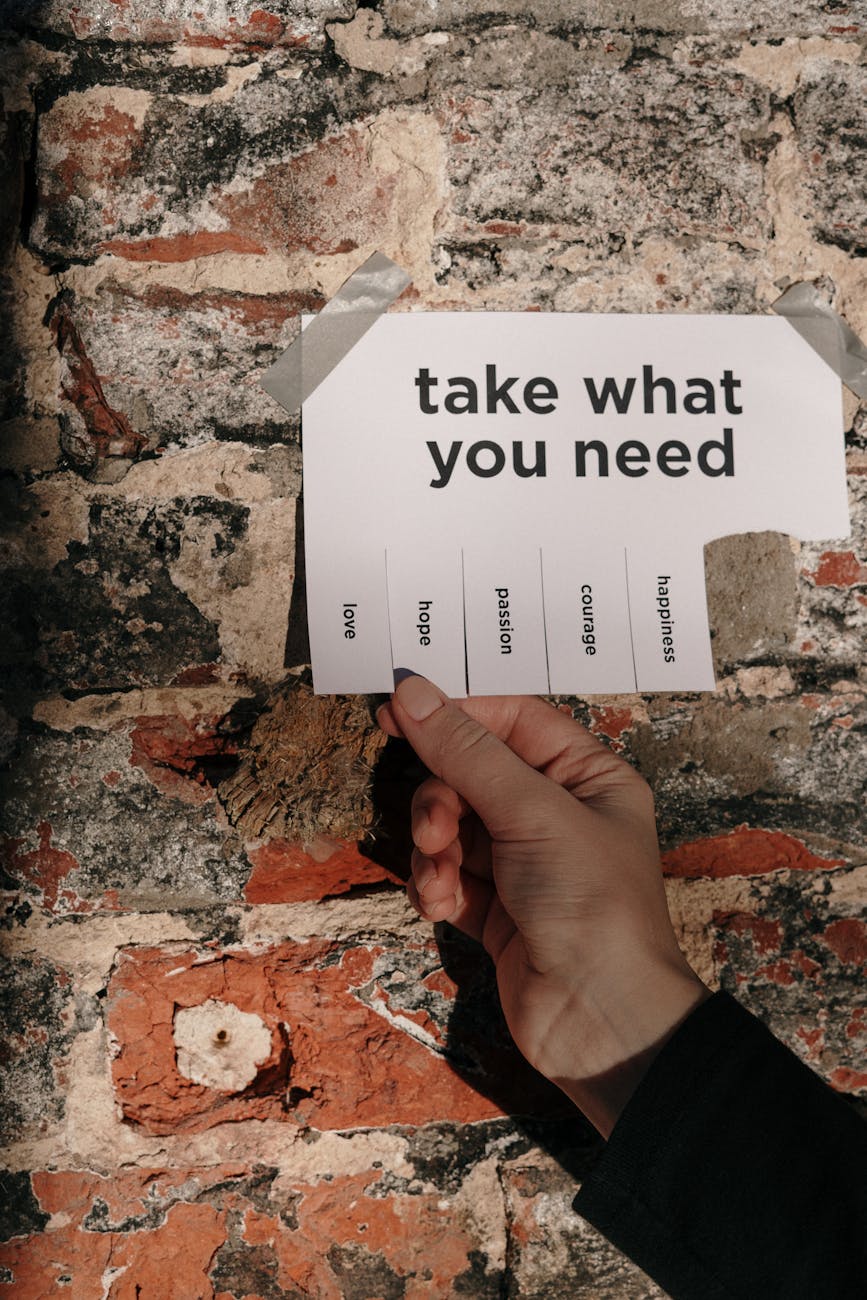
Feeling off-balance is common in today’s fast-moving world — but nurturing mental and emotional wellness doesn’t have to mean grand gestures or expensive self-care rituals. Often, the most effective approaches are simple habits that keep your mind steady and your emotions grounded throughout ordinary days.
Key Takeaways at a Glance
- Small, consistent habits — not big interventions — have the strongest impact on long-term emotional balance.
- Connection, creativity, and movement are proven pathways to boost mood and reduce stress.
- Environmental cues (light, noise, clutter) subtly shape mental wellness every day.
- Grounding routines build emotional resilience faster than willpower alone.
- Gratitude expressed creatively strengthens relationships and internal calm.
The Subtle Science of Everyday Wellbeing
Emotional steadiness thrives on predictability. Our brains crave structure, small wins, and familiar anchors. When you integrate short, consistent rituals — a daily walk, journaling, or five minutes of silence — you train the nervous system to associate safety with routine. This predictability reduces baseline anxiety and builds a buffer against overload.
Here’s a set of evidence-informed habits that help you build stability from the inside out:
- Take a brisk 10-minute walk outdoors before noon — sunlight regulates circadian rhythms and mood.
- Eat at least one meal device-free — mindful eating improves digestion and attention.
- Swap one scroll session for a short phone call — verbal connection strengthens emotional regulation circuits.
- Keep one “no multitask” zone (e.g., morning coffee or evening commute) for focused reflection.

Grounding in Action: The How-To Checklist
Staying emotionally balanced is about catching yourself early before stress becomes overwhelming. The following checklist translates mindfulness into micro-actions you can repeat anytime, anywhere.
Try these quick resets:
- Pause and name it. Identify the emotion before reacting (“I feel tense,” “I’m restless”). Naming reduces its intensity.
- Breathe low and slow. Inhale through the nose for four counts, exhale for six. It signals calm to your nervous system.
- Adjust posture. Roll shoulders back; an upright stance communicates safety to the body.
- Locate a small sensory anchor. Notice a scent, texture, or sound. This grounds awareness in the present moment.
- Reset expectations. Ask, “Is this problem urgent or just loud?” Perspective dissolves false urgency.
Use this list once daily for a week — you’ll start catching tension before it catches you.
Gratitude Meets Creativity: Calm You Can Share
One of the gentlest ways to regulate emotions is through gratitude paired with creative expression. Writing or designing something tangible for someone else redirects attention outward, easing rumination and fostering connection.
For instance, you can easily create and print a greeting card for free using online tools. The platform lets you design personalized cards with high-quality templates and intuitive editing tools — perfect for expressing thanks or encouragement. Crafting a card, writing a message, and giving it to a friend or loved one turns gratitude into an act of creativity — one that benefits both giver and receiver.
Mood Maintenance Table: Small Shifts, Big Impact
This table highlights a small, practical habit and the specific mental benefit it supports.
| Habit | Frequency | Key Emotional Effect | Why It Works |
| Morning sunlight exposure | Daily | Lifts mood, regulates energy | Boosts serotonin and sets circadian rhythm |
| Journaling three lines | 3x weekly | Clarifies thoughts | Converts abstract worries into structured reflection |
| 3 deep breaths before replying to stress emails | As needed | Reduces reactivity | Activates parasympathetic nervous system |
| Sharing one positive message daily | Daily | Enhances connection | Social reinforcement strengthens resilience |
| Decluttering one small space | Weekly | Eases cognitive load | Visual order reduces mental noise |
These shifts seem minor but accumulate into major mood dividends over time.
The Everyday Wellness FAQ
Here are common questions people ask when trying to sustain calm and emotional steadiness:
1. How long does it take to feel a difference once I start new wellness habits?
Most people notice small changes within a week. Improved sleep, slightly steadier moods, and fewer emotional spikes show up first. Deeper benefits — better focus, self-compassion, and reduced reactivity — usually appear after 4–6 weeks of consistency.
2. What’s the best quick fix for anxiety during a busy workday?
Physical grounding works fastest. Step outside, stretch, or run cold water over your wrists. These tactile inputs signal “safe” to your brain faster than mental affirmations can.
3. Do creative activities really help mental wellness, or is that just hype?
They help significantly. Studies show creative acts — painting, cooking, writing, or designing — engage reward pathways while lowering cortisol levels. The goal isn’t talent; it’s process.
4. I can’t meditate. What’s an alternative?
Walking in silence, journaling, or slow breathing can all function as “moving meditation.” Meditation is simply sustained attention — not sitting perfectly still.
5. How do I maintain progress when life gets chaotic?
Anchor your wellness habits to unavoidable cues: coffee time, phone alarms, or commute transitions. When routines hitch onto existing habits, they survive stress better.
6. Can gratitude practices feel forced?
Yes, at first. But over time, gratitude becomes recognition, not obligation. Reframing it as “noticing what’s working” makes it genuine and sustainable.
Closing Reflection
Sustainable calm doesn’t depend on grand transformations — it grows from micro-rituals practiced with gentle consistency. By tending to small daily acts — structured routines, creative gratitude, mindful breathing — you build emotional steadiness that holds even when life doesn’t. Wellness isn’t about removing stress; it’s about strengthening the system that responds to it.
Every day offers a new opportunity to reset — sometimes in just one mindful breath.
 Ainsley Peace
Leave a comment